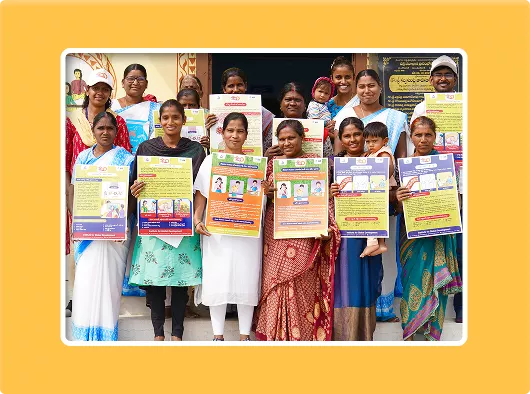
What is Iodine Deficiency?
Iodine deficiency is a significant, yet preventable, nutritional gap where the body lacks sufficient iodine to produce necessary thyroid hormones. These hormones are critical for metabolic regulation, energy management, and, most importantly, brain and physical development.
Effects on Health
Children: Leading to impaired physical development, intellectual deficit and poor school performance
Women: Low energy, persistent fatigue, increased risk of infertility and development of goiter
Men: Fatigue, weakness, cognitive decline and development of goiter
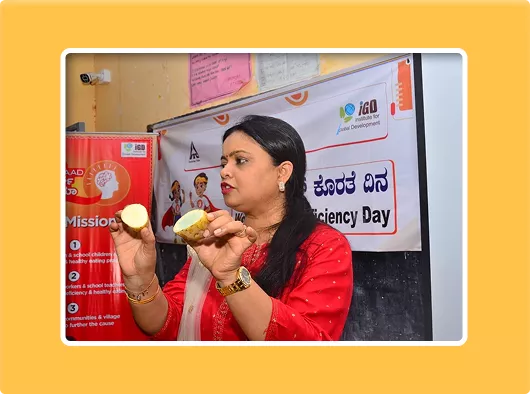
Importance of Iodine
Iodine is an essential nutrient for normal growth and development. Its consumption is very crucial during
pregnancy and early life, where iodine deficiency can cause irreversible effects like brain damage.
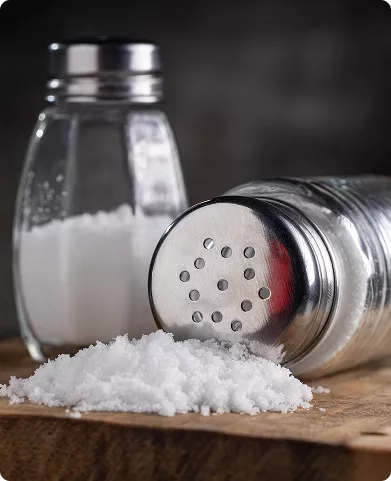
- Cognitive Function: Iodine deficiency in children have an impact on cognitive functions. Offspring of iodine deficient mothers are at high risk for cognitive disability, with cretinism being the most severe manifestation. Iodine deficiency can also lead to lowering of IQ levels in school-aged children. An insufficient supply of thyroid hormones to the developing brain may also result in mental retardation. Consuming Iodized salt is one of the simplest ways to ensure adequate iodine intake in your day-to-day life.
- Thyroid Hormone production: Iodine is vital for the production of thyroid hormones, which regulate metabolism, growth, and development. The deficiency of thyroid hormones can lead to conditions such as hypothyroidism or goiter.
- Normal pregnancy and child health: Pregnant women have an increased requirement for iodine, as it is essential for the healthy development of the foetus. Using iodised salt can help ensure that both mother and baby receive adequate iodine, reducing the risk of complications during pregnancy and promoting better health outcomes. Moderate-to-severe iodine deficiency during pregnancy increases rates of spontaneous abortion, reduces birth weight, and increases infant mortality.
Statistics
In India, it is estimated that more than 200 million people are at risk of IDD (Iodine Deficiency Disorder), while the number of persons suffering from goiter and other iodine deficiency disorders is above 70 million.
According to the Lancet article published on 29th Aug 2024, over 5 billion people worldwide, representing 68% of the global population, have insufficient iodine intake, and more than 4 billion people, or 65%, do not consume enough iron. According to Kantar study 2018-19, In India, around 92% of the population consumes Iodized salt, but only 76% households receive adequately iodized salt. Aashirvaad Smart India is focused on educating beneficiaries on the importance of iodine and iodised salt in Andhra Pradesh (adequate iodised salt coverage in 61.9% households), Karnataka (adequate iodised salt coverage in 74.6% households) and Telangana (adequate iodised salt coverage in 79.7% households). Basis the same study, only half of the respondents (55.0%) had heard about iodised salt.